
Start With Your Experience
Describe the situations, concerns and goals that bring you here. Your history and strengths belong in the conversation alongside what feels difficult.

DBT and counseling in Portland, with practical skills for emotions, relationships, and change.

Understanding Your Experience
Sometimes you can see a pattern clearly and still find yourself caught in it. A difficult feeling becomes an argument. Worry takes over a quiet moment. You want connection, but protecting yourself gets in the way. At The DBT Clinic Portland, the starting point is understanding what life has been like for you and what you hope could be different. DBT-informed work can bring practical skills into that conversation, alongside respect for your experience and the strengths you already carry.
You do not need to arrive with the right language or a perfect plan. You can begin with the situations that matter to you, and ask what kind of support might fit.
Get to Know Our Clinic ↗Ways to Work Together
Explore individual care, DBT skill areas and questions about group or between-session arrangements. Confirm which services are currently available with the clinic.

Individual counseling for difficult emotions, relationships, and change, with care matched to your provider.
Explore
Explore mindfulness, emotions, difficult moments, and relationships in a structured learning setting.
ExploreUnderstand how between-session DBT support may fit within your treatment plan.
Explore
Explore online therapy options with an Oregon clinician and a plan that fits.
ExploreDifferent Kinds of Support
Psychotherapy, psychiatric care and peer support have distinct roles. Explore the people behind each path, then contact the clinic to confirm the right service and current availability.
Explore individual approaches and practical DBT skills, with care shaped by the clinician and your needs.
Explore TherapyLearn about Hilary’s psychiatric evaluation and prescribing background. Confirm services and availability with the clinic.
Explore Psychiatric CareMeet the developing peer-support team and explore person-centered support, care navigation and advocacy.
Explore Peer Support
Explore individual provider backgrounds in relationships, identity, connection and affirming support.
Explore Related Care
Making Space for Change
You may feel emotions intensely, then wonder why a situation affected you so much. Perhaps you want to say what you need without losing the relationship, or get through a difficult moment without a response you later regret. You might be navigating anxiety, discouragement, a transition or the aftereffects of painful experiences. There is no single story behind these concerns. A clinical conversation can help clarify the pattern, your priorities and the support that may be appropriate.
Acceptance and Change
DBT makes room for both. You can acknowledge the reality of an experience while learning responses that better support the life you want.
Describe the situations, concerns and goals that bring you here. Your history and strengths belong in the conversation alongside what feels difficult.
Look at the context around a response: what happened before it, what you felt, what you needed and what followed. Specific moments can make a broad concern easier to discuss.
Connect the learning to your life. Ask questions, discuss what makes sense and work with your clinician to understand an appropriate direction for care.
The Four DBT Skill Areas
Awareness, emotions, distress and relationships often overlap. These pages introduce the language of DBT skills, with questions to bring into your own care.
Create a little more space between an experience and your response.
ExploreExplore the patterns around emotions without treating them as a personal failure.
ExploreLearn about responding to distress without adding another struggle to it.
ExploreExplore communication, boundaries, and self-respect with more intention.
ExplorePeople, Not Just a Program
Get to know a selection of the team and explore the individual clinician introductions. The clinic’s profiles include different clinical roles, age ranges and approaches. Confirm current provider availability with administration.

Servant Leader | Licensed Professional Counselor | Supervisor Candidate
Trauma, emotional regulation, recovery and relationships, with a person-centered approach.
Meet Ryan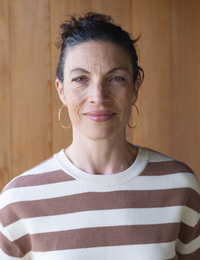
FNP, PMHNP
Psychiatric evaluations and medication management, with attention to the wider picture of health.
Meet Hilary
LPC; PhD in Clinical Sexology
Emotions, trauma, sexuality and relationships, with DBT and affirming psychotherapy approaches.
Meet Celeste
Portland, Oregon
A welcoming starting point for care in Portland and appropriate online appointments in Oregon.

2104 SE Morrison Street
Portland, OR 97214
Confirm the provider, appointment and arrival details before visiting. The garden imagery is illustrative, not a photograph of the clinic office.

Ask whether online care is appropriate and available with your clinician. Your physical location, service and coverage still matter.
About Online CareUnderstanding Your Experience
Care needs to work practically as well as personally. Ask about the fee, appointment length and current availability for the specific clinician or service you are considering. If you plan to use insurance, confirm the provider and service with both the practice and your plan. Coverage can differ, and a general insurer listing is not a guarantee. You can also ask about consultation options, cancellation terms and the practice-owned scheduling process before making a commitment.
Fees and Insurance Questions ↗Room for Questions
Clear information belongs in the conversation, too.
No. You can begin by asking about your concerns and available care. A clinician can discuss assessment, fit and whether a particular approach or level of support is appropriate.
Age ranges vary by provider and service. Hilary’s psychiatric profile lists ages six and older; Jessica’s virtual-care profile lists ages 10 and older. Celeste and Noah describe adolescents and adults, while Steve describes adults 18 and older. Confirm the appropriate service and availability with administration.
The established clinic distinguishes DBT-informed individual work from comprehensive DBT arrangements. Ask which services are currently available and what is recommended for your needs.
The clinic describes a hybrid model. Ask about Oregon telehealth availability with your treating provider, including your physical location during appointments and any practical requirements.
Use the contact form, call or email the clinic with a general inquiry. You do not need to choose a clinician or appointment time. The clinic helps coordinate the next step. Sending an inquiry does not confirm an appointment.
This website is not monitored for emergencies. Call 911 for immediate danger. Call or text 988 for crisis support; do not wait for a general website or email response.
A Coordinated Next Step
You can reach the clinic without picking a provider or working through an appointment calendar.
01Ask a general question about care, or call the clinic directly. You do not need to choose a treatment method or provider before making contact.
Get in Touch02The clinic can discuss the appropriate professional, age range, appointment format, fees and provider-specific plan participation. Keep sensitive history for a practice-approved clinical channel.
Understand the Care Roles03After the relevant details are clear, follow the practice’s instructions for arranging care. A general inquiry does not reserve an appointment or begin a treatment relationship.
Before You BeginGeneral inquiries are not a channel for private health information. Scheduling and clinical intake remain with the practice.

Your Next Chapter
Ask the clinic about the people, approaches and practical arrangements that may fit your next step.
Contact the Clinic